
Social, Recreational, and Meaningful Participation San Diego

All Services
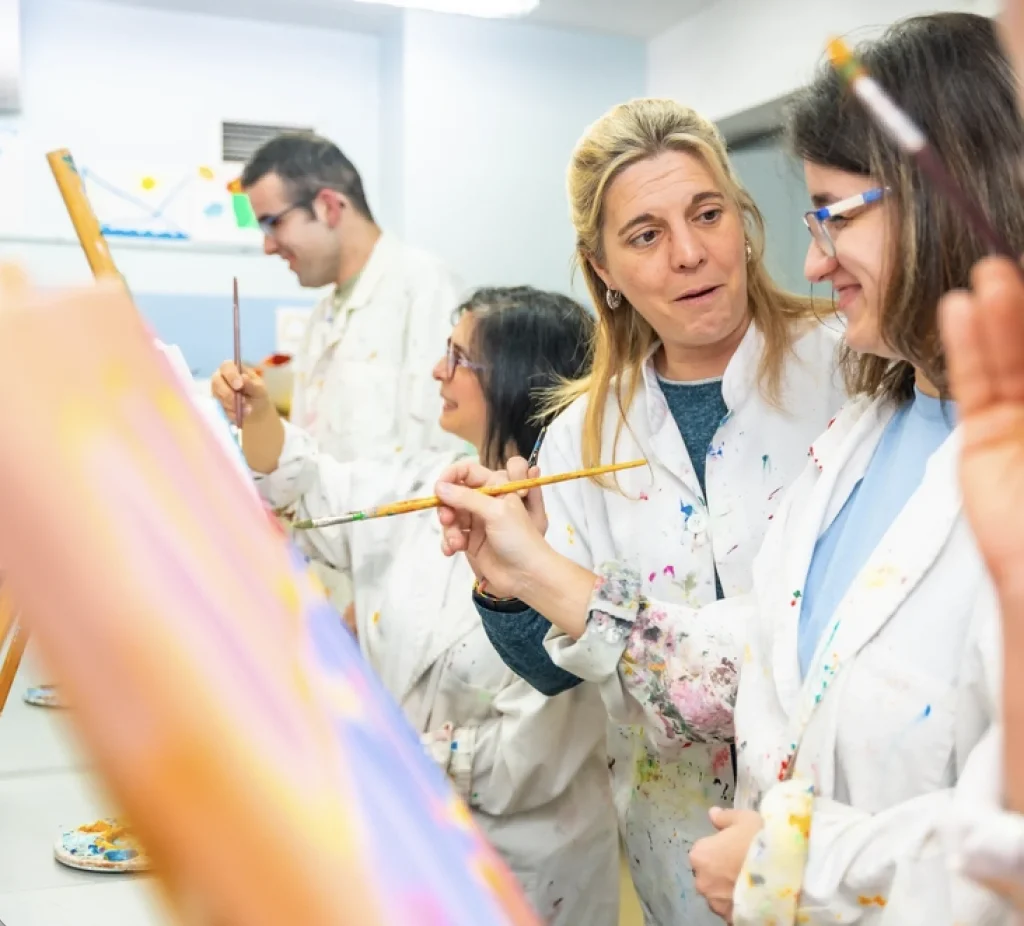
A meaningful life includes more than completing daily tasks. It also includes having fun, exploring interests, spending time with others, contributing to the community, and choosing activities that bring purpose and enjoyment.
For autistic people, participation should never mean being pushed to socialize in ways that feel uncomfortable or being taught to hide autistic traits. It should mean having real choices, accessible opportunities, and the right support to take part in activities that matter.
Alasi provides practical, nonmedical support for autistic children, teens, adults, and aging adults throughout San Diego County. Our Autism Independence Specialists help each person explore interests, build community connections, and participate in recreational and social activities at a pace that respects their comfort, communication style, and goals.
Support takes place at home and in familiar community settings, where relationships, hobbies, routines, and interests are part of real daily life.
What Does Meaningful Participation Look Like?
Meaningful participation looks different for every person.
For one child, it may mean joining a family game for a few minutes. For a teenager, it may mean visiting a favorite bookstore or attending a club related to a strong interest. An autistic adult may want support volunteering, taking a class, exercising, attending a community event, or spending time with a friend.
Participation may include:
- Exploring hobbies and personal interests
- Taking part in family activities
- Visiting parks, libraries, museums, or recreation centers
- Joining a club, class, or community program
- Attending cultural or faith-based events
- Participating in sports or movement activities
- Going to a movie, café, store, or local attraction
- Volunteering in the community
- Spending time with friends or relatives
- Practicing shared activities at home
- Attending school, work, or neighborhood events
- Developing routines around preferred activities
- Learning how to plan and prepare for an outing
- Communicating when an activity needs to change
- Taking breaks without losing access to the experience
The goal is not to make someone busier. The goal is to help them access experiences that feel enjoyable, valuable, or personally important.
Autism-Specific Support for Real Participation
General home care agencies may offer companionship or basic community outings, but they may not understand how autism can shape communication, sensory comfort, energy, planning, and social experiences.
Alasi focuses only on autism.
Every Autism Independence Specialist is prepared to support autistic people in ways that respect neurodiversity. We understand that a person may enjoy being around others without wanting constant conversation. Someone may want to attend an event but need a clear plan, a quieter space, or a reliable way to leave early.
Our specialists may support participation by:
- Preparing for the activity ahead of time
- Reviewing what to expect
- Using visual schedules, written plans, or checklists
- Helping the person choose what to bring
- Identifying quiet areas or planned break spaces
- Supporting communication with staff or other participants
- Allowing extra processing time
- Respecting the person’s need for movement
- Helping manage changes in the plan
- Supporting regulation during busy or unfamiliar activities
- Offering prompts without taking control
- Following the person’s interests and preferences
We do not define success by how social someone appears. Success may mean attending, observing, participating for a short time, trying one part of an activity, or deciding that the activity is not a good fit.
Social Support Without Pressure to Perform
Social connection does not have to look the same for everyone.
Some autistic people enjoy long conversations and active group settings. Others prefer one-on-one time, shared hobbies, quiet companionship, online communities, or being near other people without much direct interaction.
All of these forms of connection can be meaningful.
Alasi does not pressure autistic people to make eye contact, use small talk, hide stimming, or act more outgoing. Instead, we support practical communication, consent, boundaries, and shared understanding.
Social support may include practicing how to:
- Greet someone in a comfortable way
- Join or leave an activity
- Ask a question
- Share an interest
- Invite someone to participate
- Communicate the need for space
- Say no to an invitation
- Ask for more time before answering
- Take turns during a shared activity
- Handle a misunderstanding
- Contact a trusted person for support
- End an interaction respectfully
- Recognize when a social setting is becoming tiring
- Choose a different form of participation
The autistic person’s comfort and voice remain central.
Recreation Based on the Person’s Interests
Recreation is most meaningful when it connects with what a person genuinely enjoys.
A strong interest can be a source of joy, confidence, learning, connection, and identity. Alasi treats focused interests as strengths, not obstacles.
Activities may include:
- Art, music, dance, or photography
- Video games or tabletop games
- Books, comics, history, or science
- Animals and nature
- Cooking or baking
- Fitness and movement
- Collecting or organizing
- Trains, cars, maps, or technology
- Gardening
- Movies, theater, or animation
- Crafts and building projects
- Sports or outdoor activities
- Local history and community events
- Visiting libraries, museums, or specialty stores
An Autism Independence Specialist may help the person organize materials, make a plan, travel to an activity, communicate with others, or build a routine around a favorite interest.
We do not choose activities only because they are considered age-typical or socially expected. A meaningful activity is one that the person values.
Participation at Home
Not every meaningful experience needs to happen in a crowded public setting.
Home can be an important place for recreation, connection, and skill-building.
In-home support may include:
- Setting up a hobby area
- Planning a movie or game night
- Cooking with a family member
- Working on art or music projects
- Practicing an activity before joining a group
- Hosting a friend or relative
- Participating in an online club or class
- Caring for a pet
- Gardening
- Following an exercise or movement routine
- Organizing collections
- Preparing for a future outing
- Creating a weekly recreation schedule
Home-based participation can be especially useful for someone who is building skills, recovering from a busy school or work schedule, or exploring a new interest before trying it in the community.
Because Alasi works in the person’s real environment, support can fit naturally into existing routines and family life.
Community Participation Across San Diego County
San Diego County offers many places where autistic people can explore interests and take part in community life.
Depending on the person’s goals, support may include visiting:
- Neighborhood libraries
- Local parks and walking paths
- Recreation centers
- Museums and cultural spaces
- Community classes
- Shopping areas
- Farmers markets
- Beaches and outdoor spaces
- Volunteer programs
- Cafés and restaurants
- School or community events
- Faith-based or cultural gatherings
- Other personally meaningful places
A child in Chula Vista may want support participating in a local recreation activity. A teenager in Carmel Valley may enjoy visiting a library, hobby store, or community class. An adult in North County may want help attending a volunteer program. An aging autistic adult in East County may want support staying connected to a familiar park, neighborhood group, or cultural activity.
The activity is chosen with the individual, not for them.
Talk to our teamSupport for Autistic Children
For children, meaningful participation can help build confidence, communication, and a sense of belonging.
Support may include:
- Joining family activities
- Exploring new interests
- Practicing play with a sibling
- Taking part in a structured hobby
- Visiting a park or library
- Making choices during recreation
- Asking for help
- Taking turns during a shared activity
- Communicating when a break is needed
- Preparing for a birthday party or school event
- Trying part of an activity before deciding whether to continue
We do not expect every child to enjoy group play or busy events. Some children may prefer parallel play, where they take part beside others without direct interaction. Others may connect through a shared interest rather than open-ended conversation.
These are valid ways to participate.
Support for Autistic Teens
Teenagers often want more control over how they spend their time and who they spend it with.
Autistic teens may want support:
- Finding activities based on their interests
- Planning outings with friends or family
- Joining a club or class
- Attending school events
- Participating in sports, arts, or gaming activities
- Volunteering
- Using transportation to reach an activity
- Managing group communication
- Setting social boundaries
- Handling changes in plans
- Communicating when they want to leave
- Balancing social time with recovery time
The teen’s preferences guide the process. Participation should support identity and independence, not force conformity.
Support for Autistic Adults
Autistic adults may seek support building a fuller community life, returning to an old interest, or trying something new.
You may want help:
- Finding local activities that match your interests
- Planning transportation
- Preparing for a class or event
- Volunteering
- Building a weekly recreation routine
- Communicating with staff or group members
- Inviting a friend to an activity
- Setting boundaries in social situations
- Attending events without staying longer than you want
- Finding a balance between connection and quiet time
- Taking part in cultural, recreational, or faith communities
- Exploring hobbies that can be enjoyed at home
Independence does not mean attending activities without support. It means having more control over what you do, how you participate, and what kind of help you use.
Supporting Aging Autistic Adults
Aging autistic adults are often left out of both autism services and traditional recreation programs.
An older autistic adult may want to maintain familiar hobbies, visit meaningful places, spend time with family, or remain connected to a community they have known for years.
Changes in transportation, energy, mobility, health, or family availability can make participation more difficult.
Alasi may provide nonmedical support with:
- Maintaining established hobbies
- Planning shorter or more comfortable outings
- Attending familiar community activities
- Visiting preferred stores, parks, or libraries
- Staying connected with friends and relatives
- Preparing for changes in routine
- Adjusting activities based on energy
- Organizing materials for home-based interests
- Communicating preferences to family
- Exploring new forms of participation when needed
Growing older should not mean losing access to enjoyment, choice, and community life.
Regulation and Sensory-Aware Participation
An activity may be enjoyable and still require planning for sensory or emotional comfort.
A recreation center may be crowded. A restaurant may be louder than expected. A community event may change locations or run late.
Our specialists may support the person by:
- Visiting at a quieter time
- Reviewing photos or information beforehand
- Bringing preferred sensory tools
- Choosing seating near an exit
- Planning a shorter visit
- Identifying break spaces
- Using a clear communication method
- Creating a backup plan
- Leaving early when needed
- Discussing what worked afterward
Taking a break or changing plans is not failure. It is a valid form of self-advocacy.
Family Communication and Collaboration
Families often want to support meaningful participation but may feel unsure where to begin. They may also be balancing schedules, transportation, safety needs, and the preferences of several family members.
Alasi can help families create more practical opportunities for recreation and connection.
Our specialists may communicate about:
- Activities the person enjoyed
- Supports that made participation easier
- Signs that a break was needed
- Preferred ways to prepare for an outing
- Helpful prompts
- New interests the person expressed
- Ways to continue an activity at home
- Changes that may make future outings more comfortable
When appropriate and authorized, Alasi may also collaborate with a BCBA, occupational therapist, speech-language pathologist, physician, school team, Regional Center team, or another licensed professional.
Our services remain practical and nonmedical. Alasi does not present social, recreational, and meaningful participation support as ABA therapy, psychotherapy, occupational therapy, speech therapy, physical therapy, or clinical behavioral-health treatment.
How Alasi Can Help
Alasi can help autistic children, teens, adults, and aging adults take part in social, recreational, and meaningful activities throughout San Diego County. Our Autism Independence Specialists provide personalized, nonmedical support with exploring interests, planning outings, joining community activities, communicating preferences, building social confidence, managing transitions, using regulation strategies, and staying connected to people and places that matter. Through autism-only support delivered at home and in familiar San Diego communities, Alasi helps each person create a life with more choice, enjoyment, belonging, and independence.
Contact us