
Safety and Real-World Skill Development San Diego

All Services
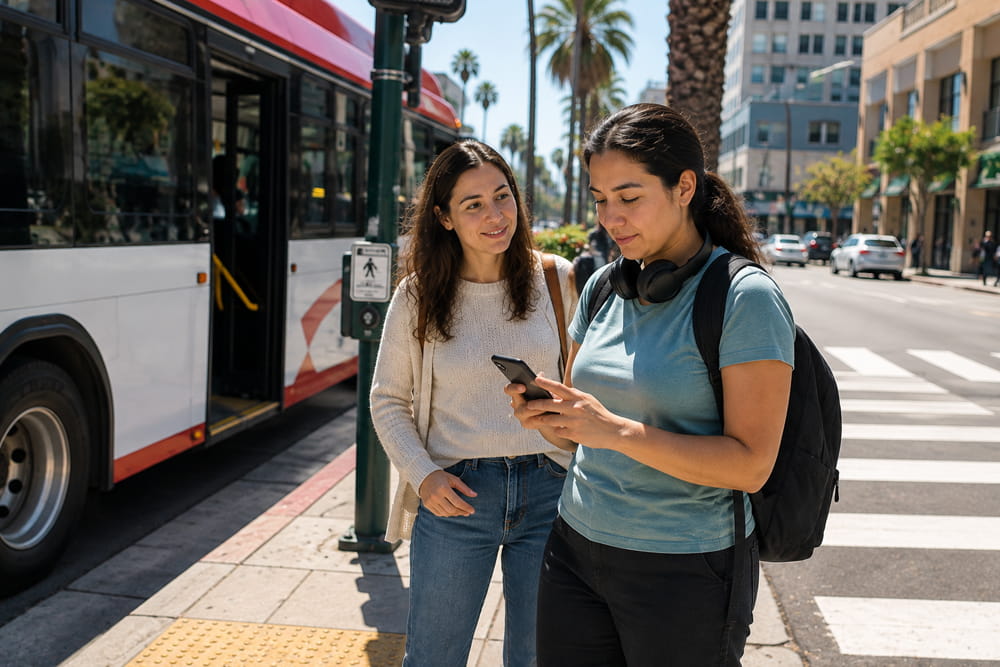
Safety is not only about following rules. It is also about understanding your surroundings, knowing when something feels wrong, making informed choices, and having a clear way to ask for help.
For autistic people, safety support should build confidence without using fear. It should respect communication differences, sensory needs, personal boundaries, and each person’s right to take part in decisions about their own life.
Alasi provides practical, nonmedical safety and real-world skill development for autistic children, teens, adults, and aging adults throughout San Diego County. Our Autism Independence Specialists help each person practice meaningful skills in the places where they will actually be used: at home and in the community.
The goal is not to remove every possible risk or limit someone’s independence. The goal is to help each person become more prepared, supported, and confident while taking part in everyday life.
What Are Real-World Safety Skills?
Real-world safety skills are the practical abilities people use to move through daily routines, respond to changes, protect their boundaries, and get support when needed.
These skills may include:
- Knowing how and when to call a trusted person
- Sharing important information during an emergency
- Recognizing familiar community helpers
- Crossing streets with the right level of support
- Staying aware of cars, bikes, and driveways
- Following a safe route through the neighborhood
- Keeping personal information private
- Understanding basic internet and phone safety
- Knowing what to do if separated from a support person
- Responding when transportation is delayed
- Identifying safe places to wait
- Asking an employee or community worker for help
- Using household appliances carefully
- Following basic kitchen and fire-safety routines
- Taking medication only with authorized support
- Recognizing and communicating discomfort
- Setting physical and personal boundaries
- Leaving or getting help in an unsafe situation
The right goals depend on the individual. A young child may begin by learning to stop near a driveway. A teenager may practice contacting a parent when plans change. An autistic adult may want to learn a transit route or create a household emergency plan.
Alasi builds support around the skills that matter in each person’s real life.
Autism-Specific Safety Support
General home care agencies may use broad safety plans designed for many different populations. Alasi focuses exclusively on autism.
That focus matters because autistic people may notice, process, or respond to risk in different ways. Someone may understand a safety rule but have difficulty using it during sensory overload. A person may know how to ask for help at home but find it harder in an unfamiliar public setting. Another person may need written steps, pictures, extra processing time, or repeated practice in the same environment.
Our Autism Independence Specialists take time to learn each person’s:
- Communication style
- Sensory preferences
- Current safety skills
- Personal boundaries
- Familiar routines
- Signs of stress or overload
- Preferred ways to receive prompts
- Comfort with unfamiliar people
- Ability to use a phone or communication device
- Understanding of common community situations
- Level of supervision needed
We do not assume that one safety strategy will work for every autistic person.
Support may include visual reminders, written plans, practice runs, role-playing, environmental changes, calm prompting, and repetition. The goal is to make safety information clear, useful, and easier to apply.
Learning Skills Where Daily Life Happens
Safety skills are often easier to understand when they are practiced in the actual setting where they will be used.
Someone may be able to explain how to cross a street while sitting at a table but need support when facing traffic, noise, bright sunlight, or an unfamiliar intersection. A person may understand a kitchen rule but feel unsure when using their own stove, microwave, or appliances.
Alasi’s in-home and community-based model allows skills to be practiced in real environments.
This may include:
- Learning household safety in the person’s own kitchen
- Practicing how to answer the door safely
- Identifying exits in the family home
- Following a familiar route to a neighborhood store
- Practicing at a nearby bus stop
- Learning where to wait during a community outing
- Using a phone to contact a trusted person
- Visiting a local library or recreation center
- Practicing how to ask an employee for help
- Preparing for activities at school, work, or a community program
A person in Chula Vista may practice crossing streets along a familiar walking route. An adult in North County may work on bus safety and trip planning. A family in Carmel Valley may want support teaching their child what to do when someone comes to the door. An aging autistic adult in East County may need help updating household routines as their support needs change.
Real-world practice helps connect a safety skill to the person’s actual routine.
Home Safety and Daily Routines
Home is familiar, but it still includes situations that require planning and support.
Alasi may help someone practice skills related to:
- Using kitchen tools and appliances
- Handling hot food and drinks
- Turning appliances off
- Recognizing smoke alarms and other alerts
- Keeping walkways clear
- Storing important belongings
- Using cleaning products with supervision
- Locking doors and windows
- Responding when someone knocks
- Knowing who is allowed inside
- Finding emergency contact information
- Following a plan during a power outage
- Preparing for changes in weather
- Knowing where to go during an emergency
Support is adjusted to the person’s age, abilities, household setup, and preferences.
We do not use fear-based teaching. Instead, we break skills into clear steps and practice them in a calm, respectful way.
Community Safety and Participation
Being safe in the community should not mean avoiding the community.
Autistic people deserve opportunities to visit parks, shop, attend activities, use transportation, work, volunteer, and spend time in places they enjoy.
Community safety support may include:
- Planning where to go and how to get there
- Reviewing what to bring
- Identifying landmarks
- Staying on a familiar route
- Using sidewalks and crosswalks
- Checking for traffic
- Waiting in a safe location
- Carrying identification or contact information
- Using a phone or communication device
- Asking for help
- Recognizing uniforms and trusted community roles
- Responding when a place is closed
- Handling a missed ride or delayed bus
- Leaving a setting that feels unsafe
- Communicating the need for a break
Our specialists provide the level of supervision described in the individual support plan. Support may be close and direct at first, then adjusted as the person becomes more familiar with a skill.
Greater independence does not always mean less support. It can mean knowing what support is needed and choosing how to use it.
Talk to our teamPersonal Boundaries and Self-Advocacy
Safety also includes the right to personal space, privacy, and choice.
An autistic person should be supported in communicating:
- “No.”
- “Stop.”
- “Do not touch me.”
- “I need space.”
- “I do not want to answer that.”
- “I need help.”
- “I want to leave.”
- “Please ask before using my things.”
- “I want someone I trust with me.”
- “I need more time to decide.”
These messages may be spoken, written, signed, selected on a communication device, or shown through another reliable method.
Alasi respects each person’s communication style and helps them practice using boundaries in ways that feel clear and comfortable.
For children, this may begin with making choices, refusing unwanted contact, or identifying trusted adults. Teens may work on privacy, online communication, friendships, and asking for help. Adults may want support with household boundaries, community interactions, workplace situations, or personal decision-making.
Safety should never be used as a reason to ignore someone’s preferences or take away their voice.
Phone, Internet, and Personal Information Safety
Phones and online tools can support independence, communication, learning, and connection. They can also create situations that require judgment and clear boundaries.
Depending on the individual’s goals, Alasi may support practical skill-building related to:
- Using a phone to contact trusted people
- Keeping passwords private
- Recognizing suspicious messages
- Avoiding sharing home addresses with strangers
- Understanding which photos or information are personal
- Blocking or reporting unwanted contact
- Asking before making purchases
- Recognizing pressure from unfamiliar people
- Using location-sharing tools safely
- Knowing when to show a message to someone trusted
- Responding to unexpected calls or texts
- Using maps and transportation apps
This support is educational and practical. Alasi does not provide legal, financial, or cybersecurity advice.
The focus is on helping the person make safer choices while still having access to useful technology.
Emergency Preparedness Without Fear
Emergency planning can help families and autistic adults feel more prepared.
A plan may include:
- Important phone numbers
- Emergency contacts
- A meeting location
- Preferred communication methods
- Information about sensory or support needs
- A list of essential items
- Familiar calming tools
- Steps for leaving the home
- A plan for pets
- Transportation options
- Information for trusted responders
- A backup plan when routines are interrupted
Our specialists may help someone review and practice parts of an approved household plan.
For example, an individual may practice finding the exit, carrying an identification card, contacting a family member, or moving to a familiar meeting place.
Alasi does not replace emergency responders, licensed medical professionals, or official emergency planning resources. Our role is to support practical skill practice, preparation, prompting, and communication.
Support for Children and Teens
Children and teens build safety skills gradually.
For younger children, support may focus on:
- Staying near a trusted adult
- Stopping near streets and parking lots
- Recognizing familiar caregivers
- Responding to simple safety prompts
- Sharing their name with a trusted helper
- Communicating discomfort
- Asking for a break
- Learning what to do if separated
- Practicing safe routines at home
For teens, goals may expand to include:
- Using a phone for help
- Traveling with increasing independence
- Shopping or ordering food
- Protecting personal information
- Handling unexpected changes
- Recognizing unsafe pressure
- Setting boundaries with peers
- Preparing for work or volunteer settings
- Making safe choices during community activities
We support growth without expecting a young person to manage every situation alone. The right amount of guidance may change over time.
Safety Support for Autistic Adults
Autistic adults may want to build, refresh, or adapt safety skills as their routines change.
You may want support with:
- Living more independently
- Using public transportation
- Managing household responsibilities
- Preparing for emergencies
- Communicating with landlords or service providers
- Going to appointments
- Handling an unexpected schedule change
- Protecting personal information
- Identifying trusted contacts
- Setting boundaries with visitors
- Building skills during community outings
Our specialists work with you, not around you. Your priorities, consent, comfort, and communication preferences guide the support.
Supporting Aging Autistic Adults
Aging autistic adults are often underserved by traditional home care.
An older autistic adult may have managed many routines independently for years. Changes in energy, mobility, vision, hearing, health, transportation, or family availability may create a need for added support.
Alasi may help aging autistic adults:
- Maintain familiar safety routines
- Update emergency contacts
- Organize important information
- Prepare for appointments
- Reduce household hazards
- Plan community outings
- Communicate changing support needs
- Use transportation with guidance
- Stay connected to trusted people
- Adjust routines while protecting choice and dignity
Our support remains nonmedical. Health concerns, medication decisions, and clinical recommendations should be addressed by the appropriate licensed professional.
Collaboration With Families and Professional Teams
Families often have important knowledge about routines, communication, triggers, and successful supports.
Alasi keeps communication open while respecting the autistic person’s privacy and role in decision-making. We may share practical information about what was practiced, which prompts were useful, and where more support may be helpful.
When appropriate and authorized, our team may collaborate with the person’s BCBA, occupational therapist, speech-language pathologist, physician, school team, Regional Center team, or another licensed professional.
Alasi does not present safety and real-world skill development as ABA therapy, psychotherapy, occupational therapy, speech therapy, physical therapy, medical care, or clinical behavioral-health treatment.
Our Autism Independence Specialists provide nonmedical skill practice, prompting, regulation support, community participation, safety supervision, and family communication.
How Alasi Can Help
Alasi can help autistic children, teens, adults, and aging adults build practical safety and real-world skills at home and throughout San Diego County. Our Autism Independence Specialists provide personalized, nonmedical support with household routines, community safety, transportation practice, personal boundaries, emergency preparation, phone use, communication, and asking for help. Through autism-only support delivered in familiar homes and neighborhoods, Alasi helps each person take part in daily life with greater preparation, choice, confidence, and independence.
Contact us